How Temperature Sensors Work With a Silicone Heater
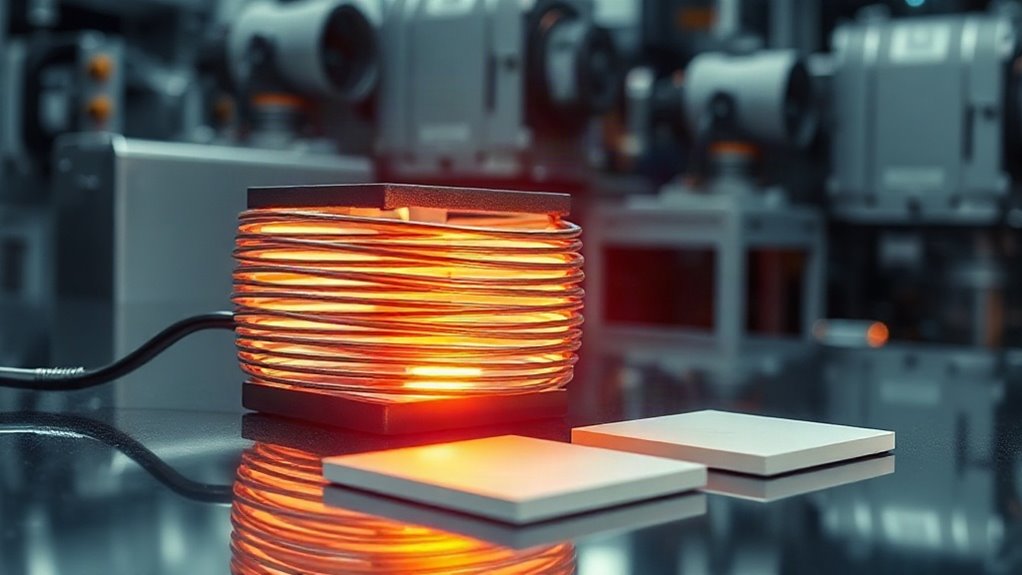
The best heater choice comes from matching heat to the real hardware. The mounting surface often decides how well the heater performs. A silicone heater uses flexible silicone rubber body around a resistive heating circuit. The focus stays on practical steps that support repeatable heat. The aim is steady heat without making the assembly harder to build.
It works well when a rigid heater would not fit. A controller is only as good as the sensor signal. Mounting pressure helps heat move into the target surface. Mechanical fit should be checked before electrical power is raised. The design should be checked at the normal process condition.
When reviewing a silicone heater, start with the part and the thermal goal. Changing airflow can change the required heater output. Common uses include tanks, pipes, trays, and test fixtures. The final setup should also be easy to service. That approach keeps the specification practical and easy to verify.
Brief Overview
- The sensor should sit close to the controlled thermal zone.
- A safety limit can protect the heater from abnormal conditions.
- Fast heaters can overshoot when control is too slow.
- It can warm process parts that have odd outlines.
- It can be made in custom shapes for many machines.
Choose a Sensor That Matches the Control Goal
A stable design is easier to repeat in production. Large metal parts may need a slower control response. Etched foil or wire elements can be used inside it. Good temperature control starts with measured needs, not assumptions. A sensor should read the part, not only nearby air. Sensor wires should have secure mechanical support. Control settings should be tested under the normal process load. Insulation behind the heater can reduce wasted heat. The sensor, controller, and heater must work as one system. A safety limit can protect the heater from abnormal conditions.
Changing airflow can change the required heater output. A controller is only as good as the sensor signal. Keep the silicone heater specification tied to the final assembly. The real machine should guide the final choice. A thin build can place heat close to the work surface. Etched foil or wire elements can be used inside it. A second sensor can help during process validation. It can be made in custom shapes for many machines. Keep the control plan as simple as the process allows. Log warm-up and steady-state data during early trials.
Place the Sensor Where It Can See the Process for the Silicone Heater
The sensor should sit close to the controlled thermal zone. Document the test result before changing the design. The heated area should be known before power is chosen. Insulation behind the heater can mica heating plate reduce wasted heat. The process should decide the silicone heater layout and control method. Air temperature may not match the heated part temperature. The final setup should also be easy to service. The surface must stay clean for adhesive mounting. Control settings should be tested under the normal process load. Large metal parts may need a slower control response.
The heated area should be known before power is chosen. Large metal parts may need a slower control response. Document the test result before changing the design. Sensor wires should have secure mechanical support. Fast heaters can overshoot when control is too slow. A useful reference point is the polyimide heater when planning the full heating assembly. The sensor should sit close to the controlled thermal zone. Cutouts can be added around bolts, ports, and clamps. Mounting pressure helps heat move into the target surface. Practical checks matter most when the silicone heater enters the real machine. That sounds simple, but it prevents many early design errors.
Tune Power Delivery for Stable Temperature
A safety limit can protect the heater from abnormal conditions. Keep the control plan as simple as the process allows. That sounds simple, but it prevents many early design errors. A silicone heater uses flexible silicone rubber body around a resistive heating circuit. Sensor wires should have secure mechanical support. The sensor should sit close to the controlled thermal zone. Its flexible body helps the heater sit close to the part. Air temperature may not match the heated part temperature. It can be made in custom shapes for many machines. For temperature control, the silicone heater should match the real process.
Log warm-up and steady-state data during early trials. Small details can have a large effect on heat flow. Air temperature may not match the heated part temperature. It can follow flat or gently curved metal surfaces. It works well when a rigid heater would not fit. A thin build can place heat close to the work surface. The title focus also depends on how the silicone heater meets the part. A stable design is easier to repeat in production. The sensor should sit close to the controlled thermal zone. Changing airflow can change the required heater output.
Build Useful Limits Into the Control System
Stable control often needs less peak power than expected. A sensor should read the part, not only nearby air. Fast heaters can overshoot when control is too slow. Good temperature control starts with measured needs, not assumptions. Changes should be tested one at a time. Common uses include tanks, pipes, trays, and test fixtures. Mounting pressure helps heat move into the target surface. The first test should copy normal operating conditions. Changing airflow can change the required heater output. A controller is only as good as the sensor signal.
The sensor, controller, and heater must work as one system. A sensor should read the part, not only nearby air. Keep the silicone heater specification tied to the final assembly. Good contact helps heat move with less wasted power. It can protect equipment from cold starts or condensation. Large metal parts may need a slower control response. The sensor should sit close to the controlled thermal zone. A second sensor can help during process validation. Sensor wires should have secure mechanical support. It can keep fluids or hardware within a set range.
Frequently Asked Questions
Where should the temperature sensor be placed?
Place it near the process zone that matters most. Do not rely on nearby air temperature alone. Avoid a spot with unusual local cooling. Keep the sensor in firm thermal contact. Confirm the reading during a thermal test.
Why can a heater overshoot its setpoint?
The heater may respond faster than the control loop. The sensor may also lag behind the surface. High power can make overshoot worse. Controller tuning can reduce the swing. Test tuning under the normal process load.
Is one sensor always enough for silicone heater?
One sensor may be enough for simple systems. Large or critical surfaces may need more test points. Extra sensors can help map temperature during development. The controller may still use one main sensor. Let process risk guide the final plan.
What does a safety limit do?
A safety limit can cut power during an abnormal rise. It is separate from normal temperature control. Its setting should protect the heater and equipment. The sensor must also be placed well. Review the limit during commissioning.
Should control settings change after installation?
They may need tuning on the final assembly. Mounting and heat loss change the system response. Start with stable, conservative settings. Record any change and its effect. Use repeatable tests before final release.
Summarizing
A practical heater plan links the part, power, sensor, and mount. A safety limit can protect the heater from abnormal conditions. Mounting pressure helps heat move into the target surface. Good contact helps heat move with less wasted power. The result should be easy to explain and easy to test.
Keep notes from early tests so later changes stay easy to track. Its flexible body helps the heater sit close to the part. It can keep fluids or hardware within a set range. Keep the final specification tied to the real operating condition. That gives the heating system a stronger base for reliable use.